Theo Keller · 26 September 2026
Reimagining Link Ecosystems for AI Enhanced Content Platforms in Niche Sectors
Link ecosystems have shifted from simple backlink counts to dynamic networks where AI systems evaluate relevance, context, and authority signals across specialized platforms, and researchers at institutions tracking digital infrastructure note that this evolution accelerates in sectors such as healthcare, legal services, and technical education because those areas demand precise information pathways that generic algorithms often overlook.
Core Components of Modern Link Ecosystems
Traditional link structures relied on volume and domain authority metrics, yet AI-enhanced platforms now incorporate semantic analysis that maps how content clusters connect through entities rather than isolated URLs, and data from industry reports shows these systems process thousands of relationship variables simultaneously to determine value within a given niche.
Platforms operating in regulated fields integrate compliance layers directly into link evaluation so that connections between sources maintain traceability while AI models flag potential conflicts or outdated references before they propagate through the network, and observers tracking these developments point to September 2026 as the period when several enterprise tools released updated frameworks that embedded real-time regulatory checks into their linking protocols.
AI Integration in Niche Content Delivery
Content platforms serving medical professionals use AI to construct link graphs that prioritize peer-reviewed journals and clinical trial repositories over general health blogs, which creates tighter ecosystems where each connection carries verified provenance data, and studies from academic research centers indicate this approach reduces misinformation spread by directing users toward higher-credibility nodes within the graph.
Legal information services apply similar techniques by weighting links according to jurisdictional relevance and case precedent strength, allowing AI to surface connections between statutes, court rulings, and secondary analyses that remain current across multiple regions, while figures from government technology assessments reveal that such targeted linking improves retrieval accuracy for practitioners who operate under time constraints.
Technical Mechanisms Driving Ecosystem Changes
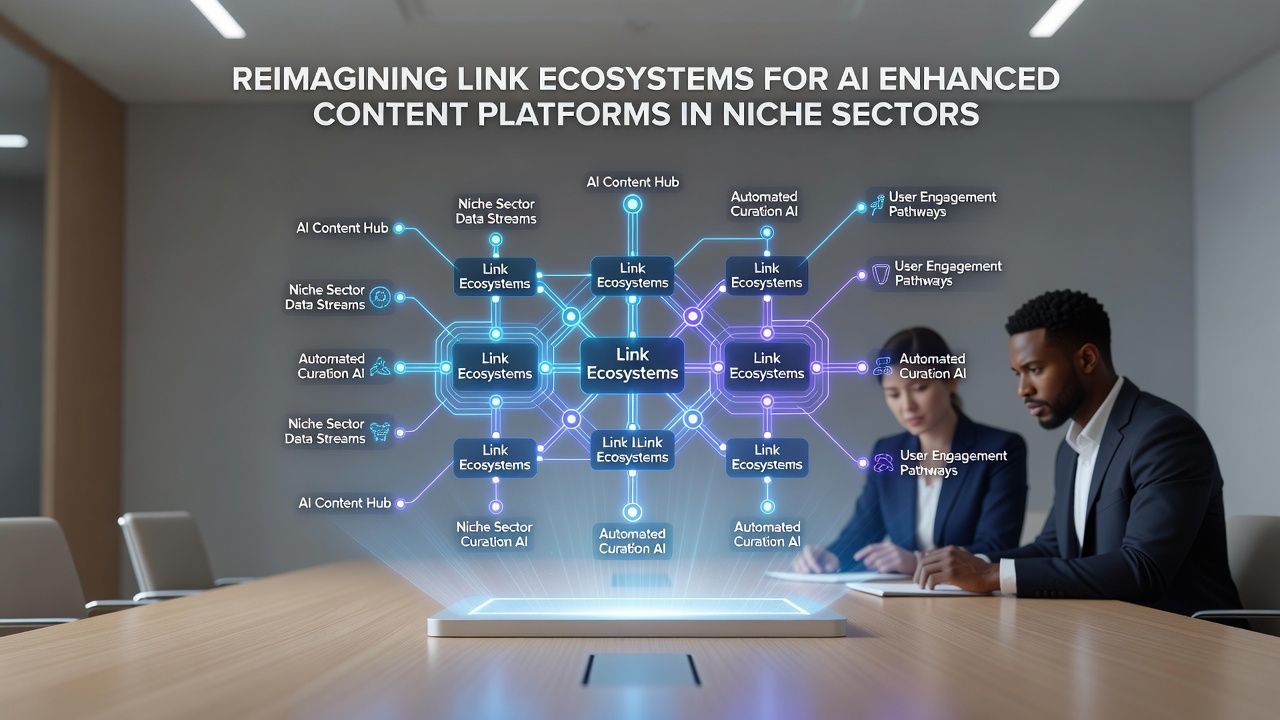
Machine learning models now analyze anchor text distributions alongside surrounding semantic context to identify whether a link adds substantive value or functions primarily as navigation, and this distinction matters in niche sectors where readers expect direct pathways to primary data sources rather than promotional detours, so platform developers have adjusted their indexing priorities accordingly.
Graph neural networks process these relationships at scale by treating domains as nodes and hyperlinks as weighted edges that update continuously based on new publications and citation patterns, and evidence from technical conferences held in 2026 highlights how these models adapt faster than static ranking systems when niche topics experience sudden spikes in research output.
Implementation Patterns Across Industries
Education technology providers focused on vocational training have adopted link ecosystems that connect curriculum modules to industry standards documents and certification bodies, enabling AI to recommend pathways based on learner progress and emerging skill requirements, while reports from international standards organizations document measurable improvements in completion rates when these connections remain current and contextually accurate.
Financial analysis platforms apply comparable strategies by linking regulatory filings with market data feeds and analyst commentary in ways that AI systems can validate for temporal consistency, and this reduces the risk of users following stale references during periods of regulatory change.
Future Trajectories and Measurement Approaches
Organizations evaluating these ecosystems increasingly rely on metrics that track not only traffic volume but also the duration and depth of user engagement after following AI-curated links, and preliminary data collected through 2026 suggests that platforms emphasizing quality-weighted connections retain users longer in specialized knowledge domains.
Cross-platform interoperability standards continue to emerge so that link signals from one AI system can inform another without losing contextual integrity, and this development supports broader adoption across smaller niche operators who previously lacked resources to build independent infrastructure.
Conclusion
Link ecosystems reimagined through AI capabilities demonstrate measurable shifts in how niche content platforms establish and maintain authority connections, with technical implementations now focusing on semantic depth, compliance alignment, and adaptive graph structures that respond to sector-specific demands. Data from multiple regulatory and research bodies continues to track these patterns as platforms refine their approaches through 2026 and beyond.